Creating impactful documentaries
Built on trust, shaped by diverse perspectives and measured by their impact.
Great documentaries don’t simply tell extraordinary stories—they create conversations that matter and can ultimately push for change. Across our films, we’ve seen documentary storytelling influence public policy, raise awareness of complex issues, support communities and deliver measurable real-world impact.
These case studies explore the lasting impact of our work, demonstrating how factual filmmaking can continue to make a difference long after broadcast.
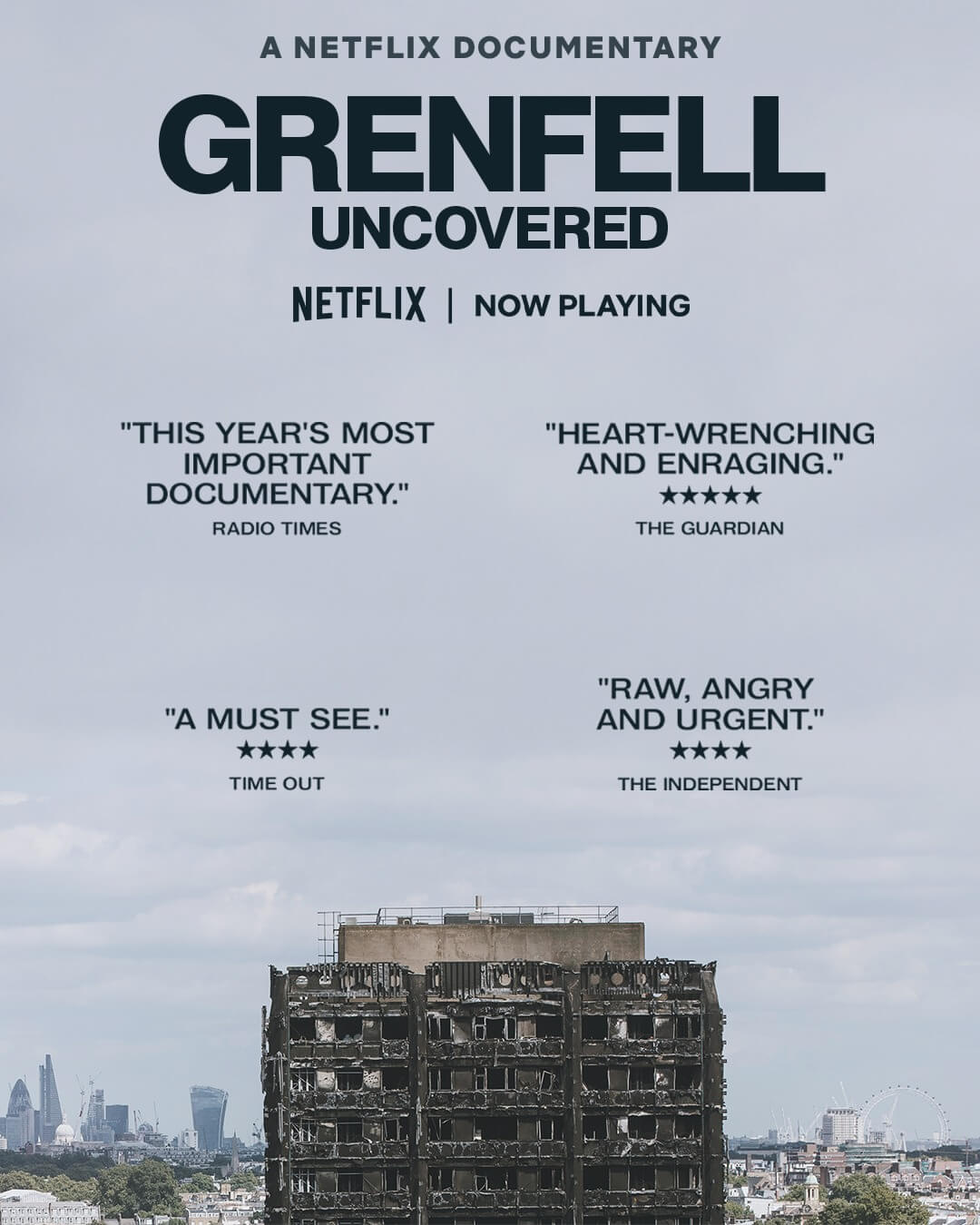
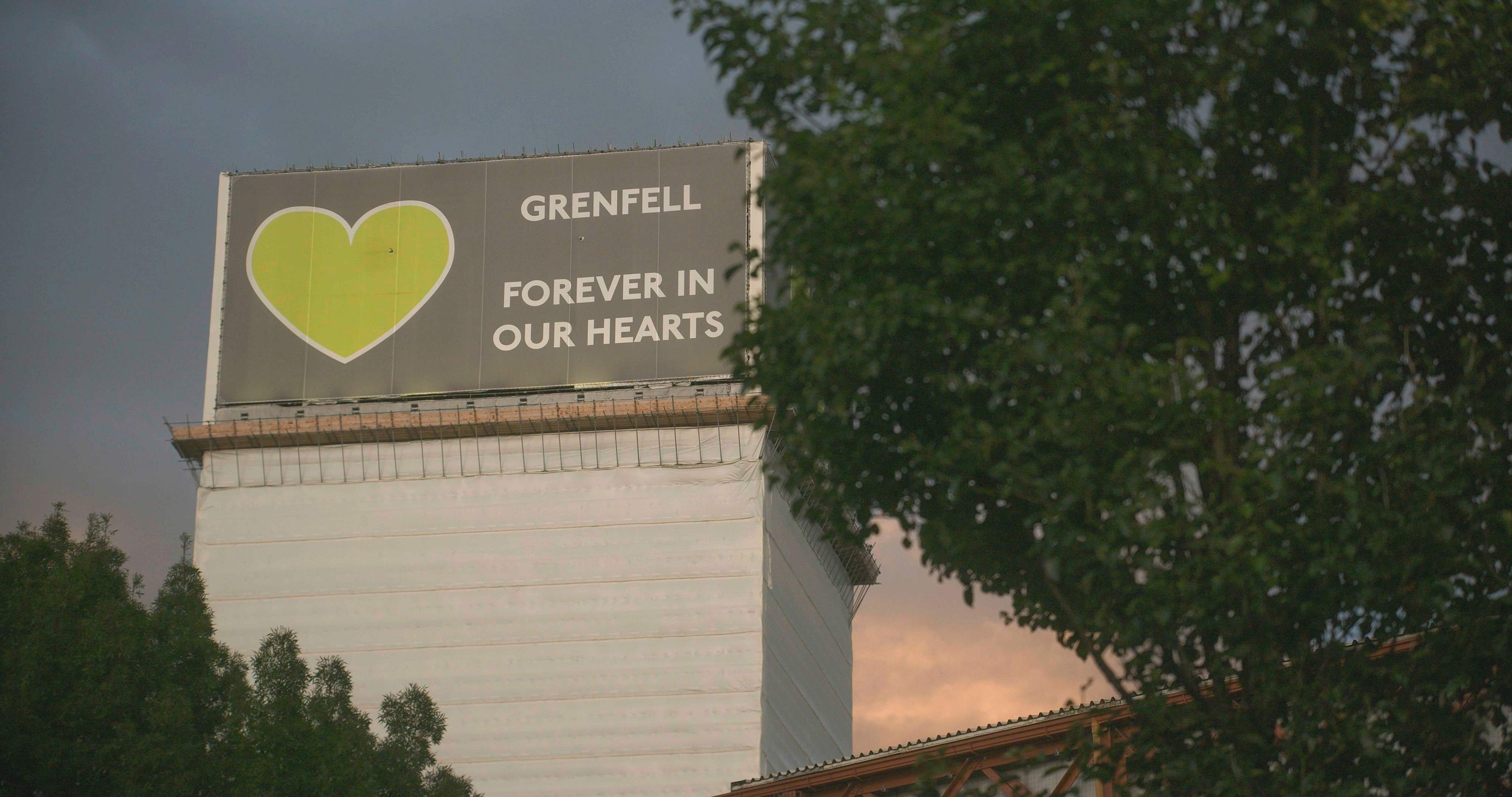
Grenfell: Uncovered
Taking testimony into Parliament
We use our films to bring the people who have lived a story into the same room as the people with the power to change what happens next.
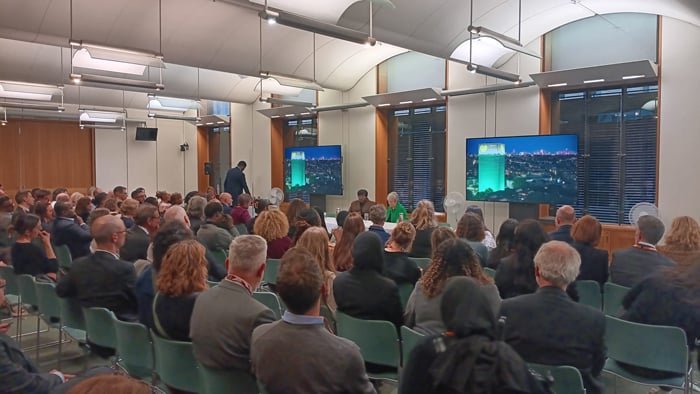
In the run-up to the ninth anniversary of the Grenfell Tower fire, Rogan Productions brought together an invited audience at the Houses of Parliament for a special MP-hosted event around the BAFTA-winning Grenfell: Uncovered.
Rather than rescreening the film, the evening centred on a Q&A with Grenfell survivors, bereaved families, contributors and the filmmakers, creating a space to reflect on the film’s findings, the continuing impact of the disaster and what still needs to change.
The audience was deliberately drawn from across Parliament, the Grenfell community, housing and building safety, charities and campaign groups, and the media. MPs and peers were invited alongside senior housing and building-safety professionals, bringing lived experience into direct conversation with people involved in shaping policy and implementing change.
Subnormal
Keeping historic injustice on the political agenda.
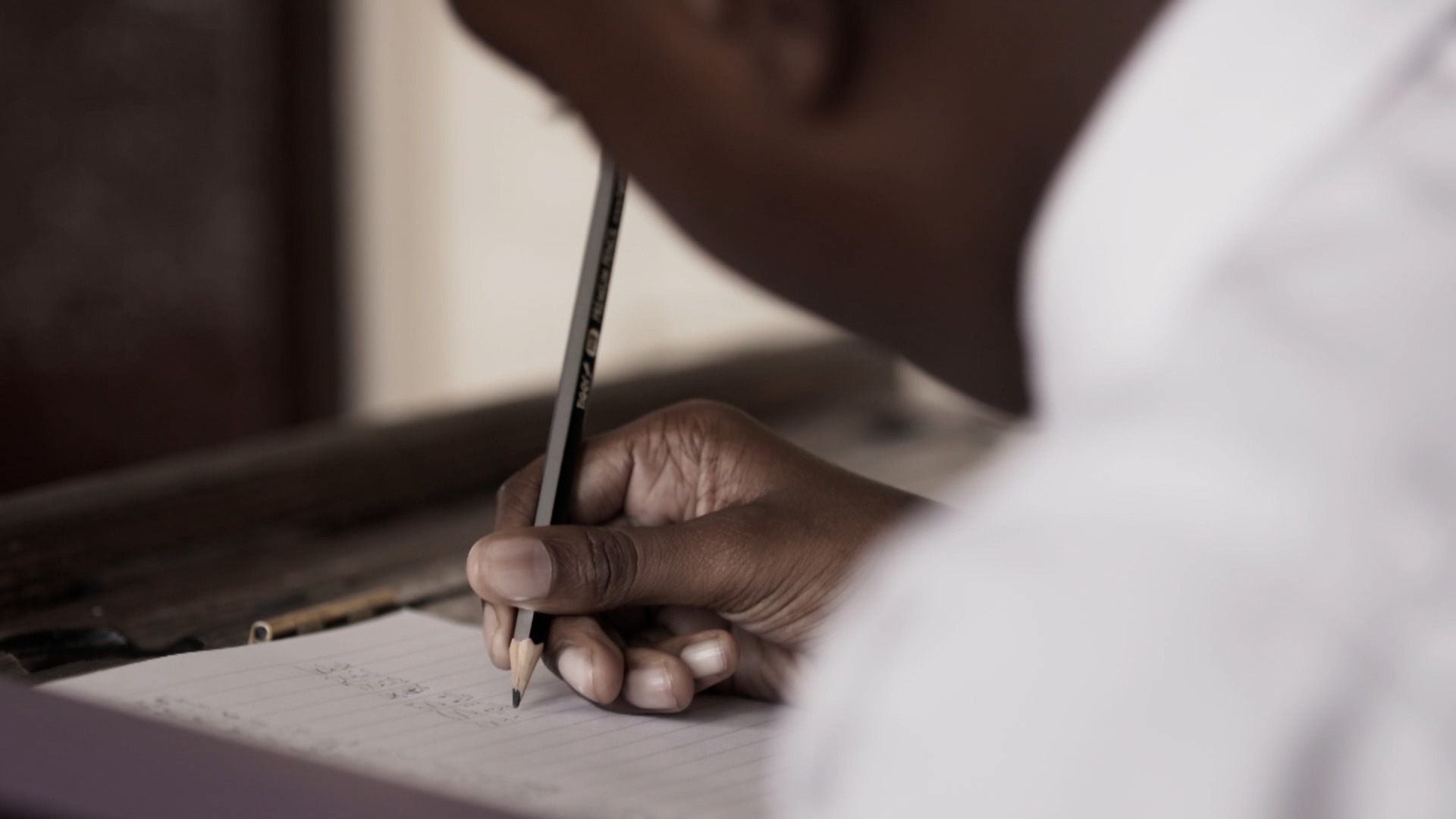
The film exposed how generations of Black children were wrongly classified as ‘educationally subnormal’ and denied an equal education under racist policies.
Director Lyttanya Shannon was subsequently invited to Parliament as survivors and campaigners continued their fight for recognition and justice.
The film and its creators were recognised during the Commons debate marking the 40th anniversary of the Swann Report.
An Early Day Motion acknowledged the film’s findings and called for a formal government apology and full public inquiry.
Uprising, Subnormal, Black Power
Educational resources provide testimony for the next generation
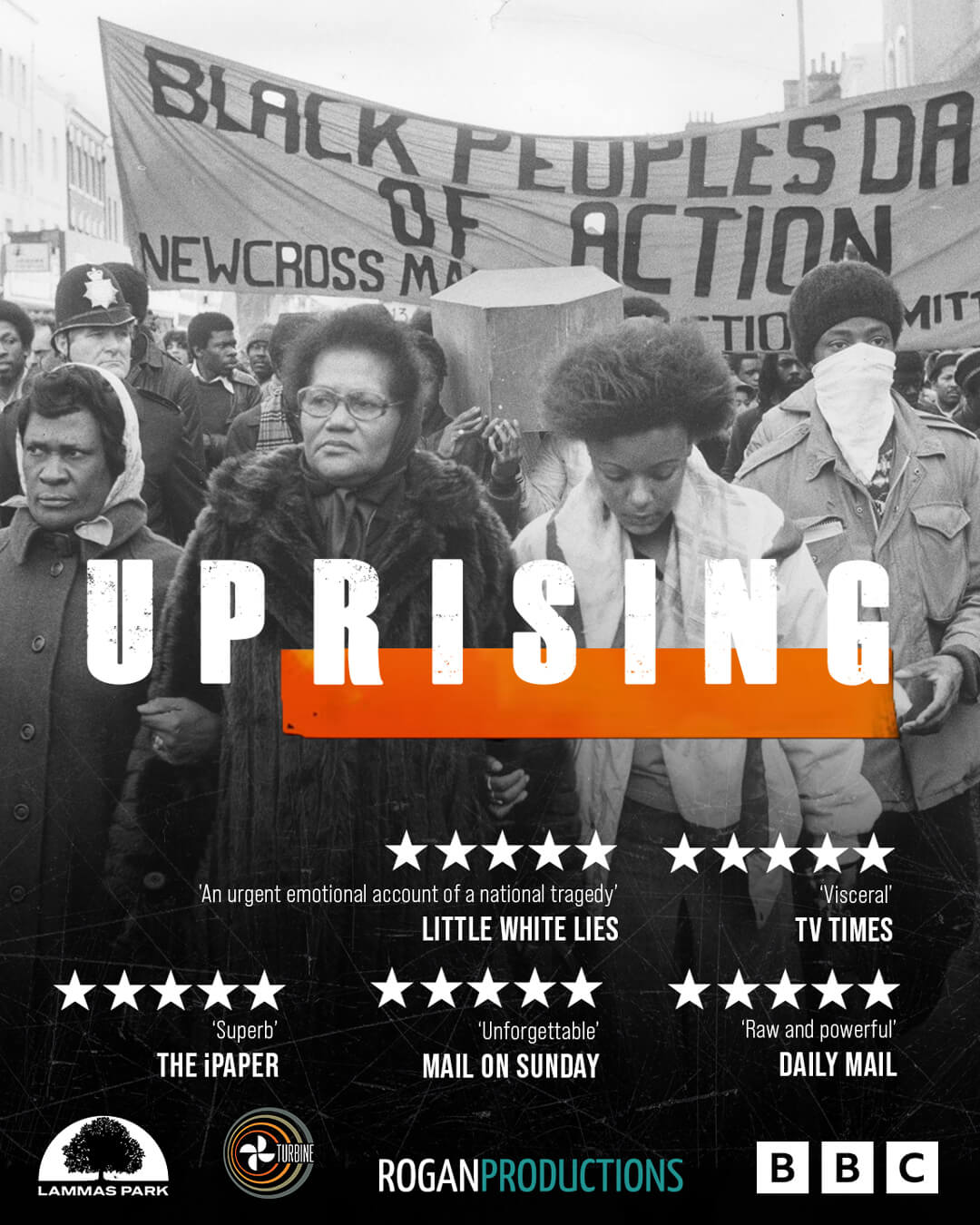
Uprising placed survivors and bereaved families at the centre of the story of the New Cross fire, the Black People’s Day of Action and the Brixton uprising. It restored historical weight to events that had too often been marginalised, distorted or treated as a tragic footnote.
Material from the Uprising, Black Power and Subnormal has been incorporated into BBC Teach, alongside KS2/KS3 and GCSE teacher notes. This helps a new generation understand this defining chapter of Black British history and giving the contributors’ testimony a continuing life in the classroom.
Uprising
After Uprising: a conversation with the families
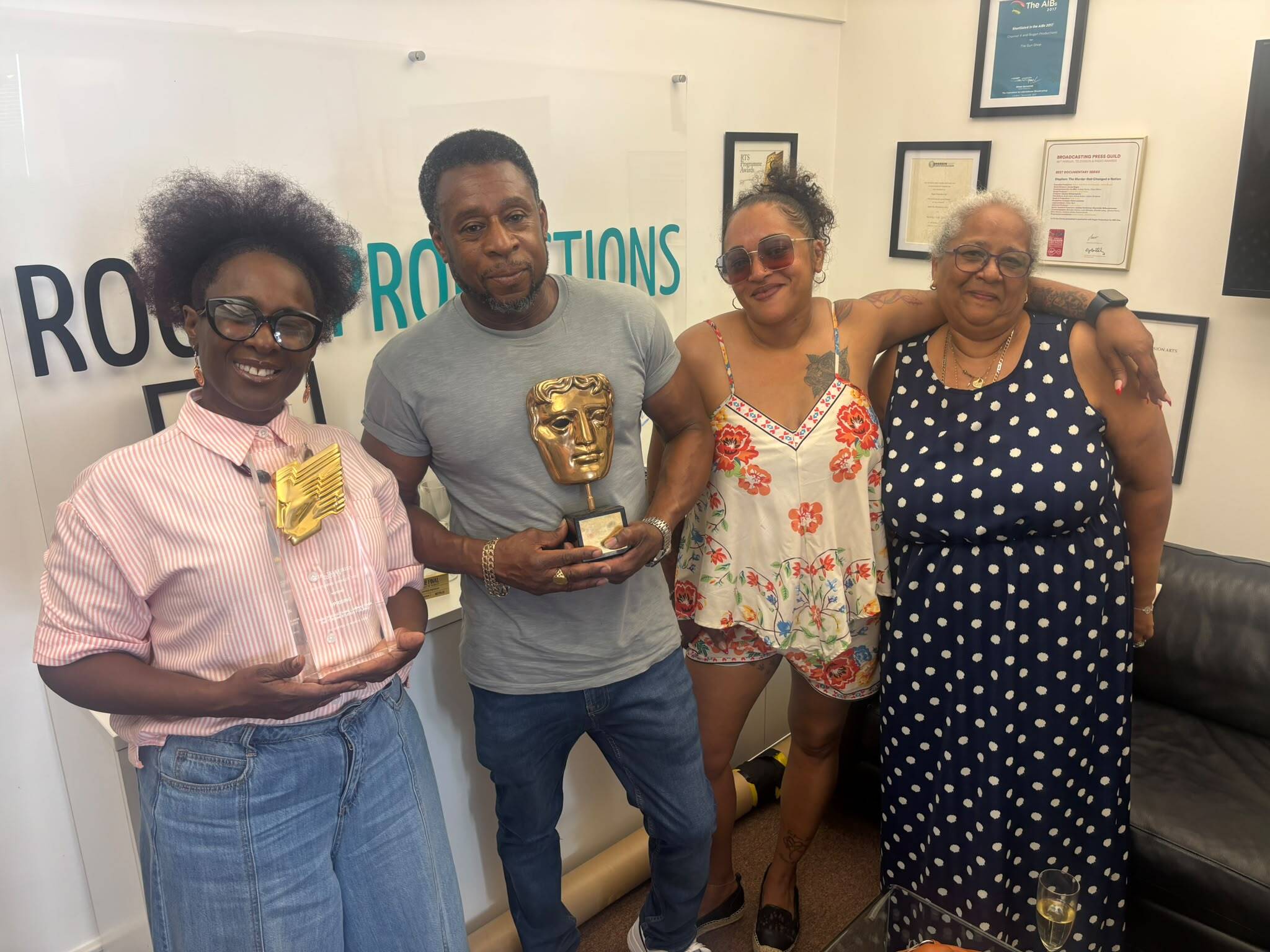
Following Rogan’s BAFTA win for Grenfell: Uncovered, James Rogan caught up over lunch with Sandra and Jeannine Ruddock and Denise and Richard Gooding.
What began with memories of Uprising’s own BAFTA win became a candid conversation about telling a story they had carried for more than 40 years, the impact the series had on their lives and why the relationships formed during production still endure today.
Then they popped into the Rogan office for another BAFTA photo opportunity.
Listen to some of the conversation here:
Old Hands New Tricks
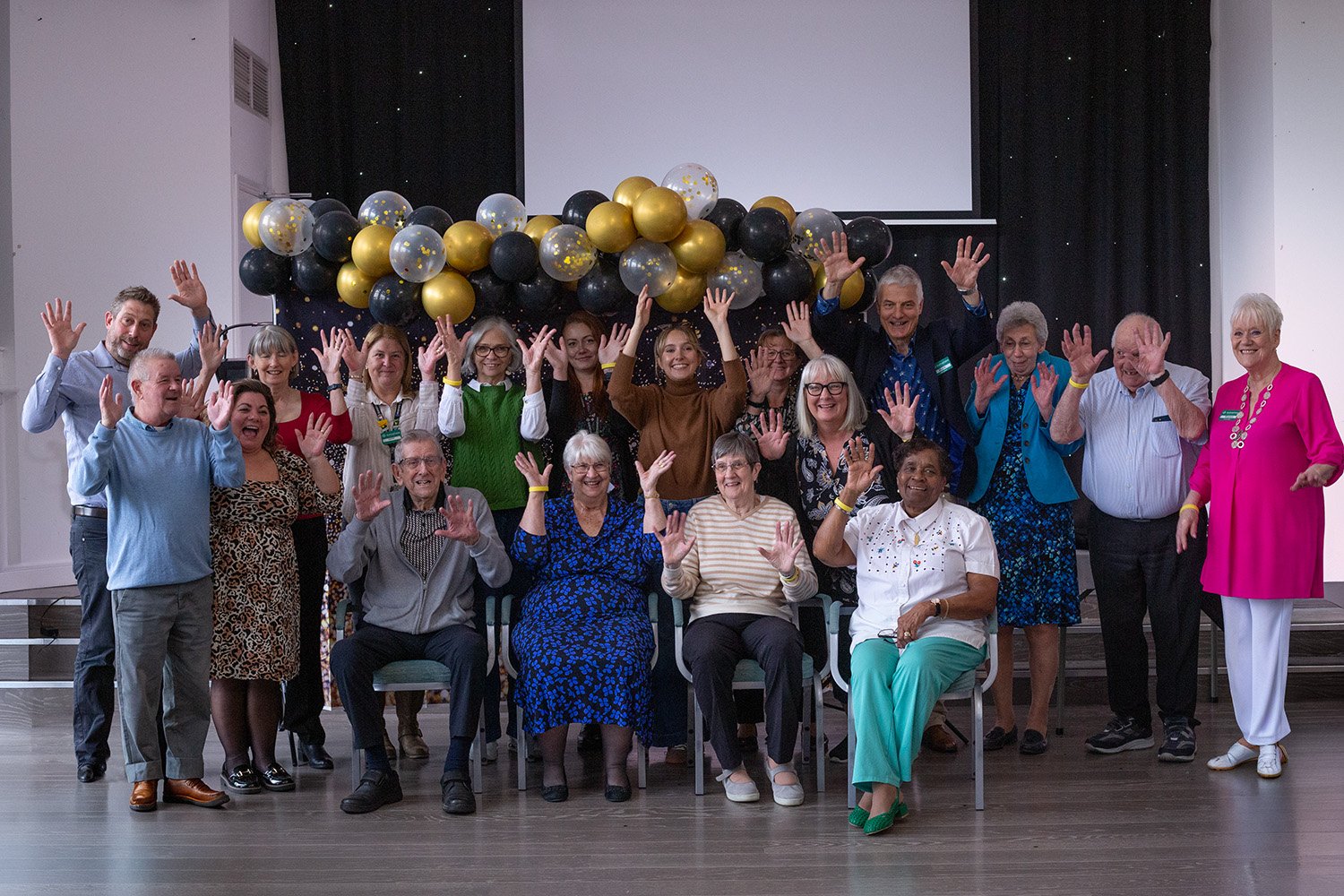
BSL Legacy Continues At Hughenden Gardens Village
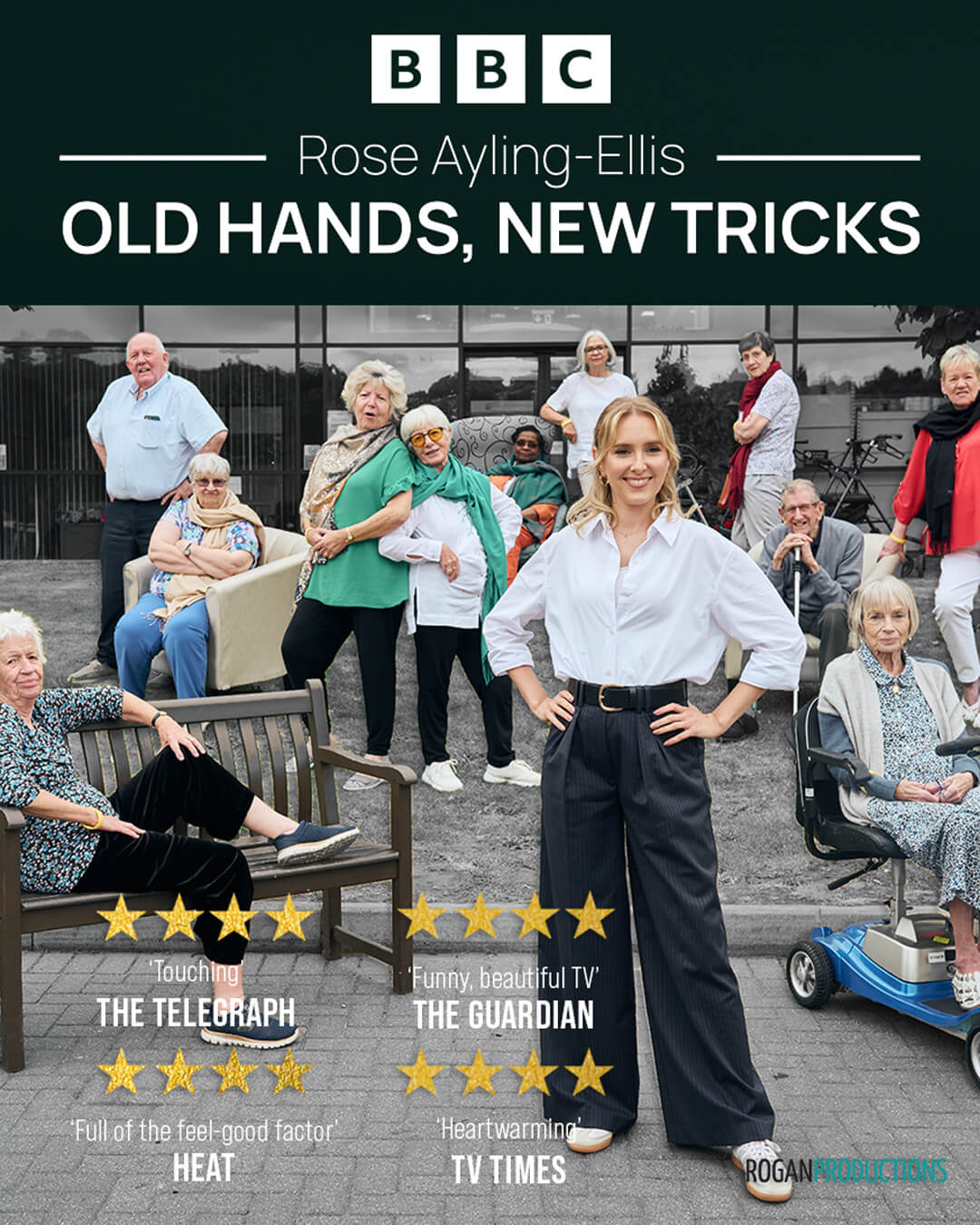
When the cameras stopped rolling at Hughenden Gardens Retirement Village, no one quite expected the legacy Old Hands, New Tricks would leave behind.
The BBC documentary, presented by Rose Ayling-Ellis, set out to explore whether British Sign Language (BSL) could empower older people and change the way they connect. Months later, it’s clear: the answer is a resounding yes.
Heralding much of this transformation is 64-year-old Mark, who stepped into an entirely unexpected role—as the community’s de facto BSL leader.
Binge Drinking and Me
Personal storytelling, underpinned by rigorous journalism, can become a catalyst for real-world impact.
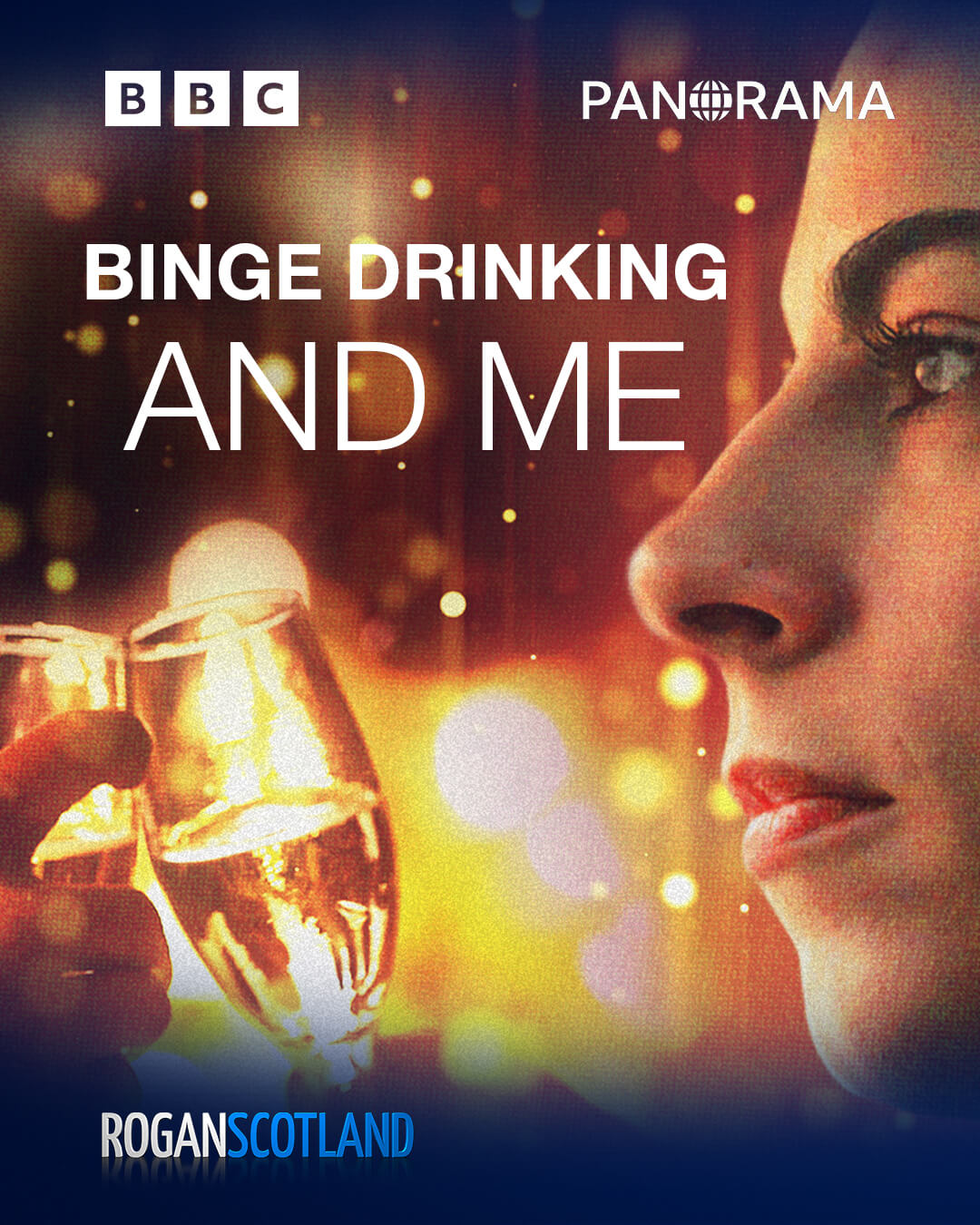
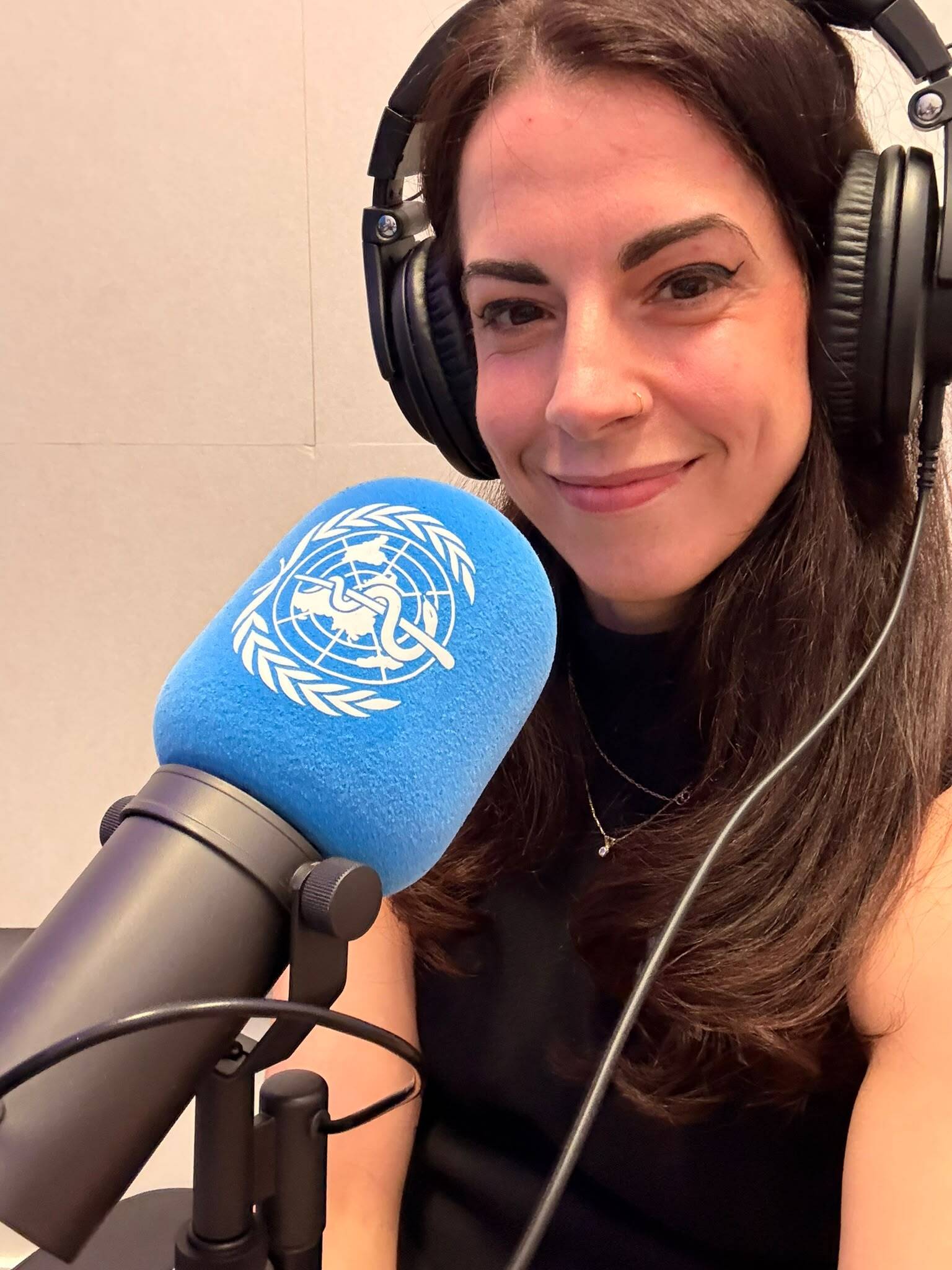
Presented by BBC Scotland journalist Hazel Martin, the film explored rising alcohol-related liver disease across Britain, particularly among women under 40, through the lens of Hazel’s own diagnosis.
By combining deeply personal storytelling with rigorous journalism and leading medical expertise, the documentary challenged long-held misconceptions about who is at risk and encouraged audiences to seek help before it was too late.
-
Healthcare professionals reported a significant increase in requests for liver-function tests and FibroScan examinations.
-
Hospitals secured funding to purchase additional FibroScan machines to meet growing demand.
-
Hundreds of viewers contacted Hazel after the film prompted them to seek medical advice; many were subsequently diagnosed with liver disease and believed the programme had led to potentially life-saving early intervention.
-
Professor Debbie Shawcross, President of the European Association for the Study of the Liver, invited Hazel to speak at the 2025 EASL Congress in Amsterdam, where she helped launch the organisation’s Alcohol Health Alliance alongside clinicians, researchers and representatives from the World Health Organization.
-
In 2026, Hazel joined WHO Europe’s EVID-ACTION programme in Copenhagen, contributing alongside health ministers, clinicians and people with lived experience to discussions shaping future alcohol policy across Europe.
- She recently took part in the WHO Health Podcast in an episode called 'The Conversations we're not having about alcohol.'
The Secret of Me
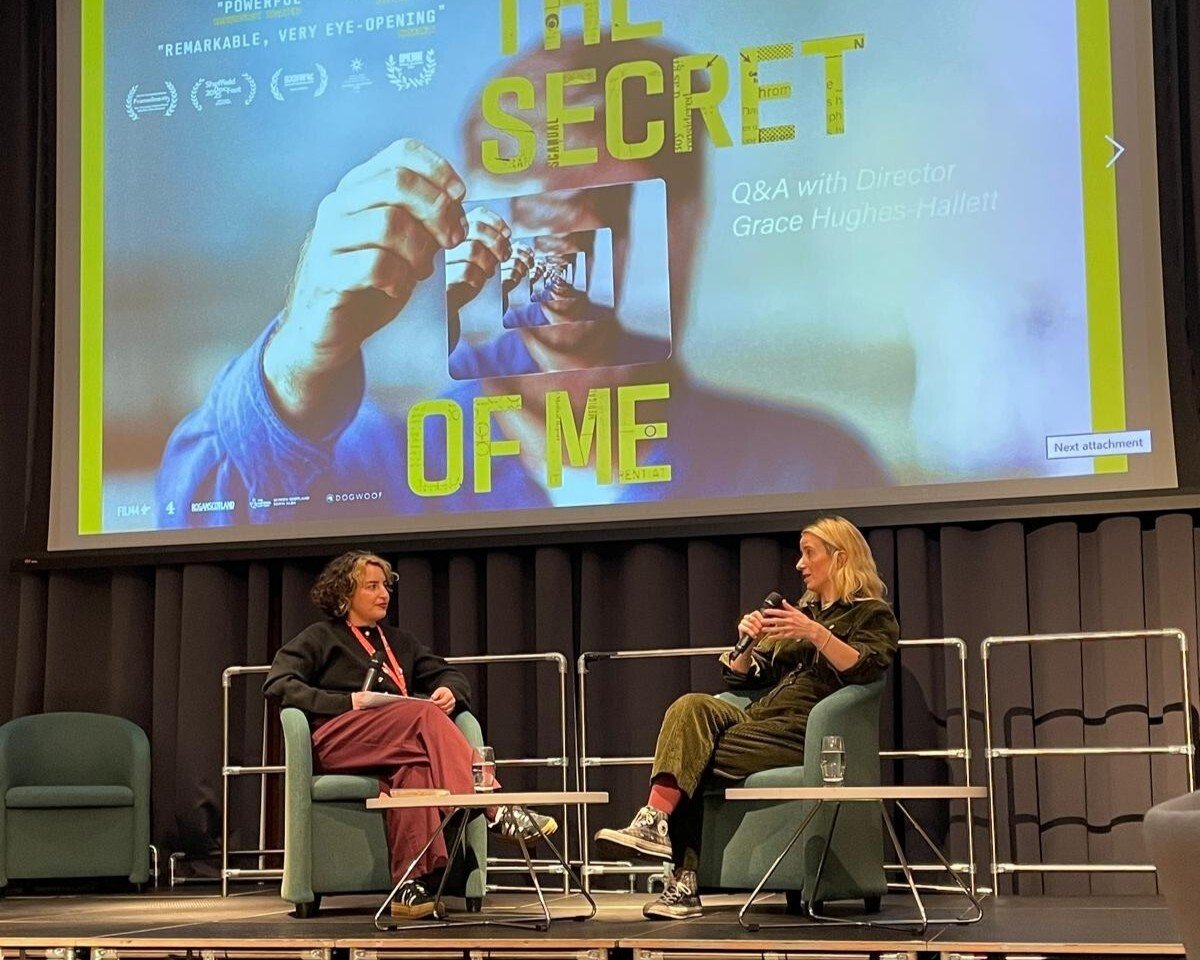
Proudly King's College London Outreach Screening
Targeted screening + Q&A for faculty and students which led to the film being shared across the university
As a major medical research facility and an accredited medical school organisations like King's can play a huge rule in changing opinions on intersex surgeries. Director Grace Hughes-Hallett explains
"The medically unnecessary surgeries that were done to Jim and other intersex people in this film as children are still, shockingly, being recommended to parents in the UK right now. Our hope for this documentary is that as many people as possible will see it, so that more families in the future will make better informed decisions on behalf of their infants, and young children. We are particularly keen to reach the new generation of doctors, nurses, midwives, and policy-makers. They hold the power to end these medically unnecessary nonconsensual surgeries, and protect intersex children from harmful human rights violations, and ultimately change people's lives for the better."